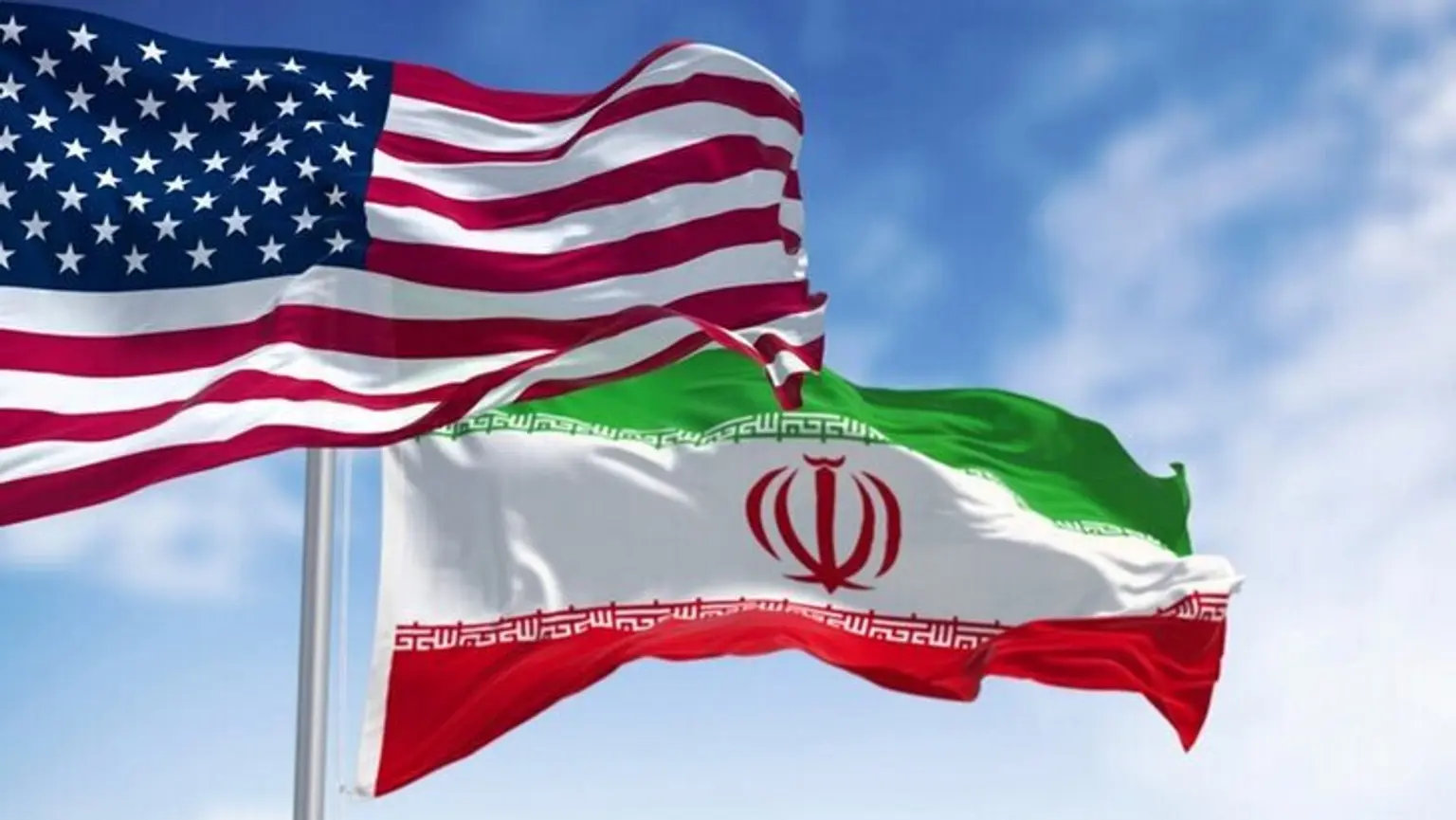
US vs. Iran in 2026: How a Middle East War Moved Bitcoin — Then Stopped
Since late February 2026, the US and Iran have been in a state of open military conflict — with two ceasefires that have already collapsed, and at least five distinct waves of escalation. Bitcoin, trading around the clock unlike traditional markets, has been one of the first assets to react to nearly every twist. But over five months, that reaction has changed almost beyond recognition — from a sharp crash in February to near-total indifference by July. Here's the full timeline, and what's behind the shift.
How it started: Operation Epic Fury
On February 27, 2026, President Trump authorized a US military operation named "Operation Epic Fury." Strikes began the next day, February 28, during nuclear negotiations with Iran — US and Israeli airstrikes killed Iran's Supreme Leader Ali Khamenei and Iranian official Ali Larijani, along with thousands of IRGC (Islamic Revolutionary Guard Corps) personnel.
Iran responded within hours with "Operation True Promise IV," striking THAAD bases in Jordan, the UAE, and Saudi Arabia (March 1-2), and on March 2 Hezbollah joined the conflict by launching rockets at northern Israel.
Bitcoin reacted to the initial strike with a 6% drop to $63,038, triggering $515 million in long-position liquidations.
The Strait of Hormuz and months of escalation
In late March, Iran blocked the Strait of Hormuz — a critical route for global oil shipments — stranding 150 freight ships, including oil tankers. A two-week ceasefire began on April 8 but quickly began to unravel.
On April 16, the US House of Representatives rejected a resolution to curb Trump's war powers over Iran by a razor-thin 213-214 vote — and the vote alone sent bitcoin down 4%, confirming the market was tracking not just strikes, but the political process in Washington.
On May 28, the US launched a fresh strike on Iran. Bitcoin fell 3.4% over 24 hours and 6.3% over the week, dropping to $72,978, with $958.8 million in liquidations (including $897 million in long positions). President Trump commented on the Strait of Hormuz situation: "It's international waters... The strait's going to be open to everybody."
A brief truce: the memorandum signed at Versailles
On June 14, the two sides announced a memorandum to end the war, and on June 17 the presidents of the US and Iran signed what became known as the Islamabad Memorandum — a document formalizing a 60-day ceasefire and providing for the reopening of the Strait of Hormuz to commercial shipping. Trump signed his copy during a dinner at the Palace of Versailles, on the sidelines of the G7 summit, while Iranian President Pezeshkian signed his in Tehran. On June 18, the mutual naval blockade was lifted.
The ceasefire collapses again
On June 25, a drone strike hit a Singapore-flagged commercial vessel in the Strait of Hormuz, and on June 26 the US retaliated by striking Iranian missile and drone storage facilities. Then, on July 7-8, the interim ceasefire collapsed entirely: President Trump declared the truce "over" after the US struck more than 80 targets, including over 60 IRGC boats in the Strait of Hormuz. We covered that strike and its market impact in more detail here.
On July 11-12, the US launched a fourth wave of strikes — CENTCOM reported hitting roughly 140 Iranian military targets: drone and missile depots, ammunition stores, surveillance sites, and naval command centers. The stated goal was "continuing to degrade [Iran's] ability to attack civilian mariners and commercial ships freely transiting the Strait of Hormuz." A CENTCOM statement read: "The Commander in Chief has directed the strikes to hold Iranian forces accountable." Iranian Foreign Ministry spokesperson Esmaeil Baghaei responded: "You should urge the countries in question to immediately cease allowing the United States to use their territories as launchpads for aggression against Iran."
How bitcoin's reaction changed, by date
- February 28, 2026 — first Operation Epic Fury strike: bitcoin -6% to $63,038; $515M liquidated
- April 16, 2026 — US House rejects the war-powers resolution: bitcoin -4%
- May 28, 2026 — new US strike on Iran: bitcoin -3.4% in 24h (-6.3% weekly), to $72,978; $958.8M liquidated
- July 8, 2026 — ceasefire collapses, 80+ targets hit: bitcoin -2.5%; over $400M liquidated
- July 13, 2026 (after the fourth strike wave on July 11-12) — bitcoin holds near $63,800, barely reacting: -0.3% in 24h, +2% for the week
Why the reaction faded
By mid-July, despite an active fourth wave of strikes, traditional markets moved far more than crypto: gold fell 1.6%, oil rose 4%, equities dropped 1.6% — while bitcoin barely budged. According to CoinDesk's analysis, the market "is no longer trading the war at all, taking its direction from dollar liquidity and the chip cycle while oil, gold and rates do the reacting." That's a notable shift for an asset that, back in February, sold off hard on a single Hormuz headline.
In other words, the market appears to have grown numb to the conflict: each new wave of escalation has triggered a progressively weaker reaction — compare the 6% crash in February with the near-zero move in July, despite comparably sized strikes. Separate from bitcoin's price reaction, the conflict also produced a quieter crypto story of its own — the use of stablecoins to route around sanctions, which we covered in "CoinEx and Iran's $3.84B Crypto Flows."
What this means in practice
For traders, headlines about new strikes or collapsed ceasefires no longer guarantee a sell-off on their own — the market's reaction now depends on whether the news lines up with the broader macro backdrop, like dollar liquidity or sentiment around the tech sector. For anyone using geopolitics as their sole trading trigger, that likely means more false signals now than at the start of the conflict.
This material is for informational purposes only and is not investment advice.

Comments (0)
No comments yet — be the first!
Related articles

Buterin Wants a Cheaper Ethereum: What It Means for Investors
Vitalik Buterin doesn't hide it: ETH's price isn't his priority. We break down why Ethereum's founder is betting on lower fees and a simpler network through "Lean Ethereum" — and why a cheaper, faster network doesn't automatically mean a more expensive token.

Strategy: The Full Story of Saylor's Bitcoin Bet
From a software startup and the dot-com crash to the world's largest corporate Bitcoin treasury — the story of Strategy and the man who bet on Bitcoin.

What Nobody Tells You About Crypto Cards: Taxes, Risks
Every crypto card swipe can be a taxable event, some cards' limits run 200x higher than standard prepaid cards, and a program can shut down without warning. We cover what usually isn't in the marketing copy.