What Is a Crypto Card
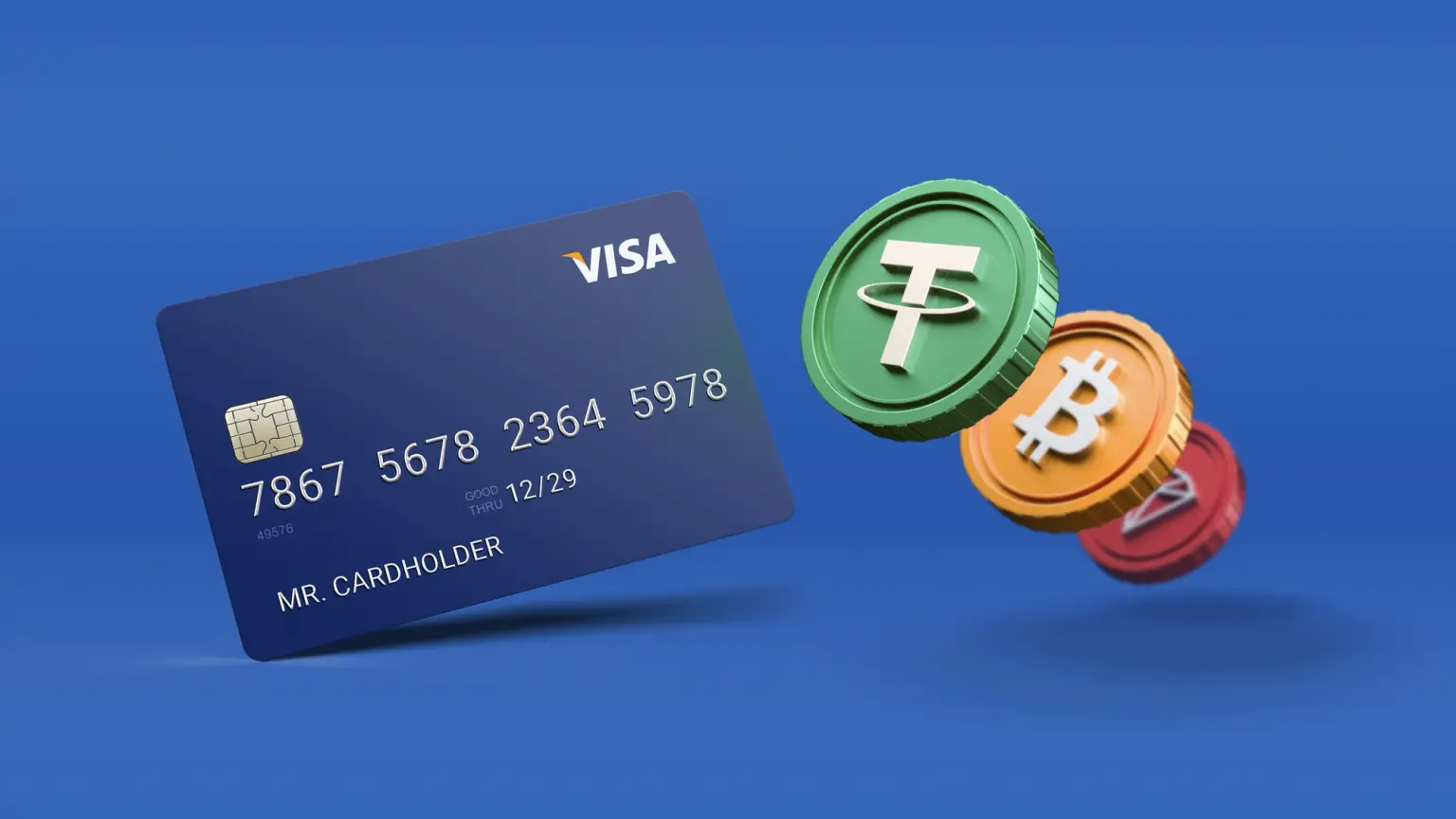
A crypto card looks no different from an ordinary Visa or Mastercard — but instead of a regular bank account, it's linked to your crypto assets: an exchange balance or a crypto wallet directly.
How it works technically: a payment processor sits between the card, the blockchain, and the merchant. At the moment of payment, it checks your balance, calculates the exact amount at the current exchange rate, and instantly converts the crypto into regular money — the merchant gets paid in their usual currency and never even knows you paid with crypto, Oobit explains.
There are two main approaches to when that conversion actually happens. In the classic model, you transfer crypto onto the card's own balance in advance — so the conversion effectively happens once, at top-up. In the newer self-custody model (we covered it in detail in a separate article), the money stays in your wallet until the last second, and the conversion happens right at the moment of purchase.
Why anyone needs this at all: without a card, spending crypto on everyday purchases would mean selling it on an exchange first, withdrawing to a bank account, and waiting a day or more for the transfer. A card removes all those intermediate steps — paying feels exactly like using a regular bank card, with the difference hidden underneath.
What this means in practice: neither Visa nor Mastercard physically accept cryptocurrency directly — converting to fiat is mandatory on the card issuer's side either way. If you want to compare specific cards by cashback and fees, we have a separate comparison of five popular cards.
This article is for informational purposes only and does not constitute investment advice.

Author
Mike RobinsonNews feed editor
I'm constantly writing about crypto, Bitcoin, and altcoins. I cover a variety of topics related to the virtual currency market.
Comments (0)
No comments yet — be the first!
Related news

Congress Wants to Lock a 1-Million-Bitcoin Reserve Into Law — Bypassing the President's Executive Order

EU Parliament Wants MiCA Extended to DeFi, Staking and NFTs