
Proof-of-Work vs Proof-of-Stake: What's the Difference and Why It Matters
Bitcoin and Ethereum solve the same problem: getting thousands of computers that don't trust each other to agree on who owns what money, with no bank and no single person in charge. But they pay for that agreement in fundamentally different ways — one with electricity, the other with money that can be taken away. Here's what that actually means.
Why a network needs this kind of protection at all
Without a central bank, something has to decide which transaction is real and which is an attempt to spend the same money twice. That's the job of a consensus mechanism — a rule that lets thousands of independent computers on the network agree with each other. Proof-of-Work and Proof-of-Stake are the two most common such rules, and each one sets a different entry price for anyone who wants to cheat the system.
Proof-of-Work: you pay with electricity
On Proof-of-Work networks — Bitcoin, and Ethereum before 2022 — the right to add a new block goes to whoever solves a meaningless math problem first, literally by guessing random numbers as fast as possible. That's mining — we covered it in detail in a separate article, "What Is Crypto Mining: How Computers Create Bitcoin." There's only one way to cheat this kind of network: gather more computing power than everyone else combined. That costs real money: Bitcoin mining today consumes roughly 155 terawatt-hours of electricity a year — about as much as all of Poland or Egypt, according to the Cambridge Centre for Alternative Finance. In plain terms: picture a guard who proves how strong they are by hauling heavy weights all day — the only way to beat them is to be physically stronger.
Proof-of-Stake: you pay with a deposit
On Proof-of-Stake networks — Ethereum, Solana, Cardano — the right to add a block doesn't go to the strongest computer, but to whoever put up a deposit in the network's own coins. That's staking, which also has its own article: "What Is Staking: How to Earn Just by Holding Crypto." Here, the guard puts down a deposit instead of muscle — and loses it if they break the rules. On September 15, 2022, Ethereum switched from Proof-of-Work to Proof-of-Stake in an event known as The Merge, ethereum.org notes, and the network's energy use dropped by roughly 99.95%, per the Ethereum Foundation's official estimate, Decrypt reports. This kind of network can be cheated too — but it takes buying up or borrowing more than half of all the staked coins, which also costs real money, just a different kind.
What the difference actually looks like
Cost of an attack. Under Proof-of-Work, that's hardware and electricity, which the attacker keeps even after a failed attempt. Under Proof-of-Stake, it's staked coins that get burned directly if the attack fails — a mechanism called slashing — so the attack punishes itself automatically.
Environmental footprint. Bitcoin, as it works today, keeps using an amount of energy comparable to entire countries. Ethereum, after switching to Proof-of-Stake, uses orders of magnitude less.
What an honest mistake can cost you. Under Proof-of-Work, a miner's error just costs them missed profit. Under Proof-of-Stake, a validator node's random outage can trigger a real penalty — staked coins get docked even when there was never any intent to cheat the network.
Why Bitcoin isn't switching to Proof-of-Stake
The obvious question: if Proof-of-Stake is so much more efficient, why doesn't Bitcoin just do the same thing? The Bitcoin community's answer: expensive physical security isn't a flaw, it's a deliberate choice. Electricity can't be faked or borrowed — once it's spent, it's spent. Staked coins can, in theory, be borrowed briefly to stage an attack without a permanent loss, though in practice that's also hard and expensive. The simpler second reason is conservatism: the Bitcoin community deliberately avoids changing the network's fundamental rules unless it's absolutely necessary.
The takeaway
Neither approach is objectively "better" — they answer the same question in different ways: how do you make cheating the network economically pointless? Proof-of-Work pays with the physical cost of electricity; Proof-of-Stake pays with the financial cost of a deposit. If you come across a new project with its own consensus mechanism, the first question worth asking is exactly this: what does someone actually lose if they try to cheat this network?
This article is for educational purposes only and does not constitute investment advice.

Author
JonathanEditor
I love writing about cryptocurrency, am interested in general trends, and try to reflect this in my materials.
Comments (0)
No comments yet — be the first!
Related articles
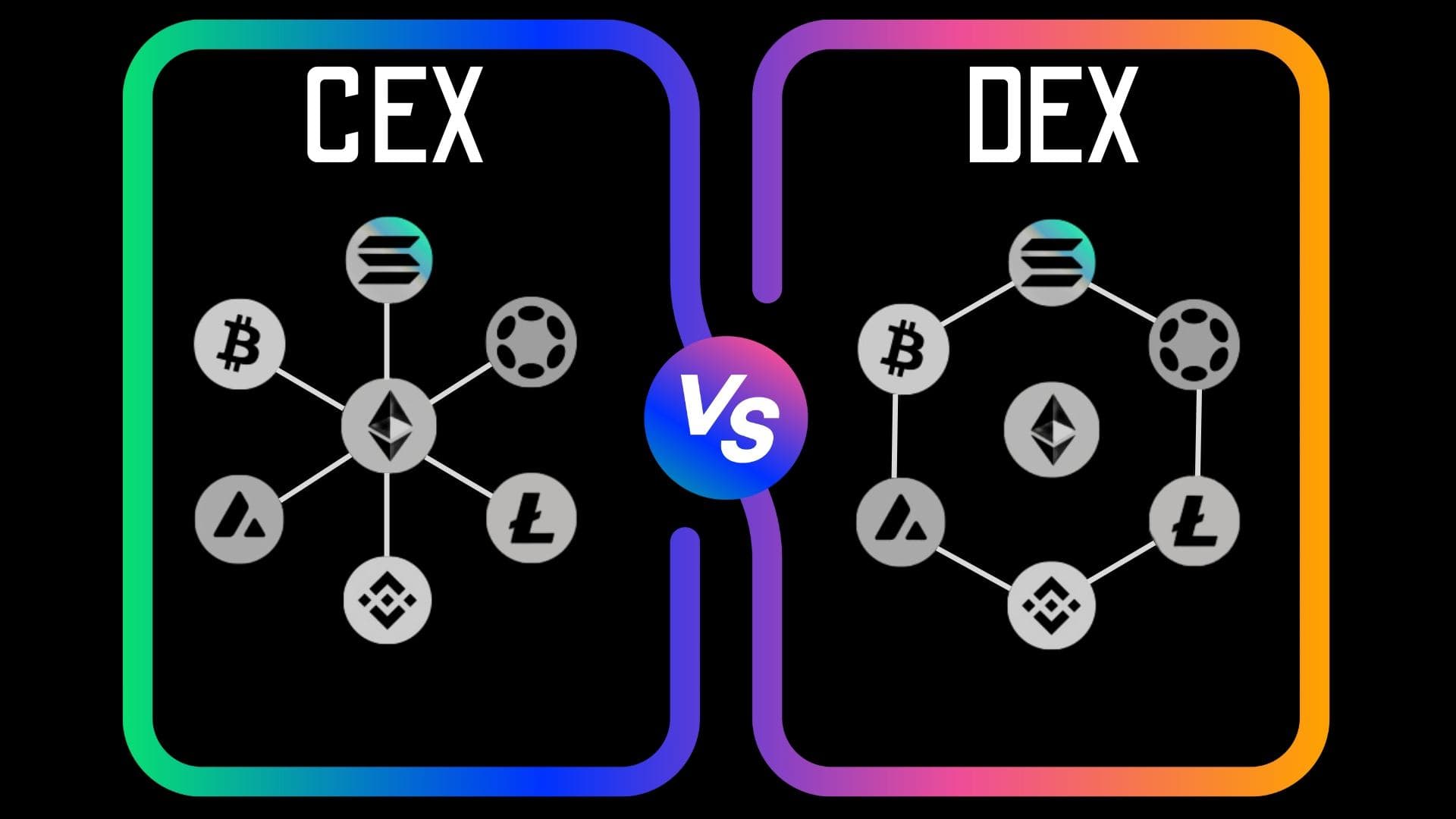
DEX vs CEX: An Exchange With a Cashier, or Without One
One exchange holds your money and asks for your ID. The other never asks for documents and physically never touches your coins. Here's what actually separates a CEX from a DEX — and what you give up and gain with each.

What Is Staking: How to Earn Just by Holding Crypto
Can you actually earn yield just by locking up crypto? And why is there a 62-day queue to do it on Ethereum? Here's how staking works, what it really pays across networks, and where the risks hide.

Private Key and Seed Phrase: What Happens If You Lose Them
What actually happens if you lose access to a crypto wallet? Is there any way to recover the funds without a bank or customer support? Here's how private keys and seed phrases work — and why two different people still can't reach their own bitcoin.