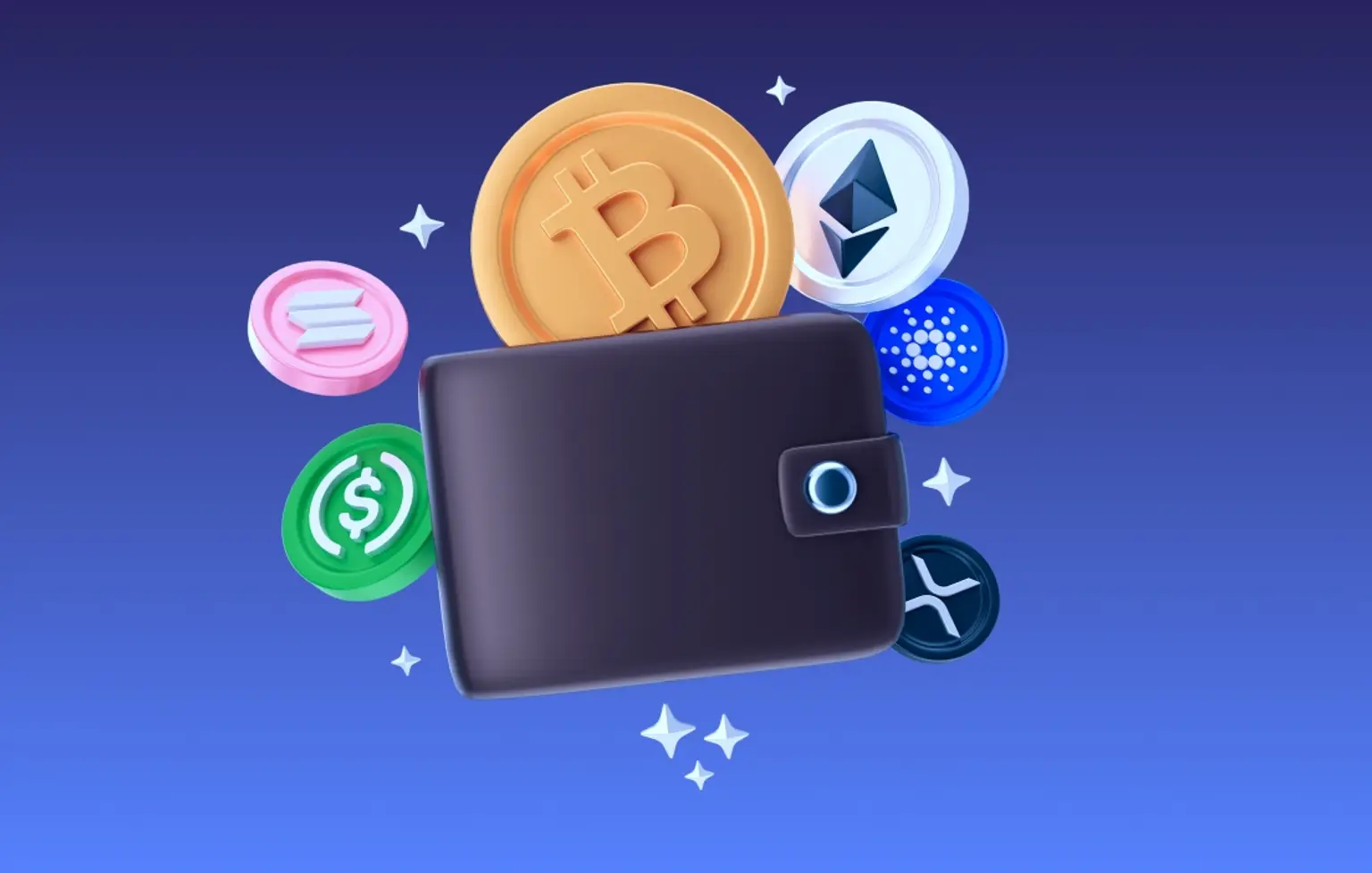
Top 5 Hardware Wallets for Crypto Beginners in 2026
Why Beginners Need a Hardware Wallet at All
A hardware (cold) wallet keeps private keys offline, on a dedicated device, rather than in a phone app or on an exchange — more on the concept in our glossary. Even if your computer or phone is infected with malware, the keys physically never leave the device without your confirmation on its own screen. Below are five models most commonly recommended to people setting one up for the first time.
Tangem: The Simplest Start — Tap a Card and You're Done
Tangem's starter set costs around $50 and consists of two or three physical cards the size of a bank card. Keys are generated directly on a certified secure chip (EAL6+) and never shown to the user as a seed phrase — instead of a paper backup, a second (and third) duplicate card serves as the backup. Confirming a transaction is just tapping the card against a phone over NFC, Tangem's blog explains. Of everything on this list, Tangem has the shortest path from box to first transaction — and the fewest steps where a beginner could go wrong.
Trezor Safe 3: Open-Source Code at a Reasonable $79
The Trezor Safe 3 costs $79, supports more than 8,000 coins and tokens, and is built on a certified EAL6+ chip — the same security class used in passports and SIM cards. The screen is monochrome with no touch input, navigated via physical buttons, which is actually easier for anyone who struggles reading small text on a tiny touchscreen. The firmware is fully open source, so the code can be reviewed independently or trusted to third-party auditors, notes a review from bitcoins.tools. It supports Shamir Backup, an advanced way to split a recovery backup into multiple parts if you ever want a higher security tier.
Ledger Nano X: Widest Coin Support, With One Big Caveat
The Ledger Nano X costs $149, supports more than 15,000 coins and tokens, and lets you install up to 100 apps on the device at once — for a beginner unsure which networks they'll be using a year from now, it's the most flexible option. It connects to the Ledger Live mobile app over Bluetooth.
The important caveat: in April 2026, a fake "Ledger Live" app on Apple's App Store stole $9.5 million from more than 50 users — victims typed their seed phrase directly into the fraudulent app, which is exactly what gave attackers full access to their wallets, CoinDesk reports. The app impersonated the official one for nearly a week before Apple pulled it. The rule for any hardware wallet, not just Ledger: a seed phrase never gets typed anywhere except the device itself — not into an app, not on a website, not in a support email.
SafePal S1: A Budget Pick With No USB or Bluetooth at All
The SafePal S1 costs around $49 and signs transactions entirely offline via QR codes — the device has no USB port and no Bluetooth radio whatsoever, meaning there's no wireless channel that could theoretically be used to attack the wallet remotely. The downside is that scanning QR codes back and forth is slightly less intuitive the first time than pressing a button on a Trezor or tapping a Tangem card.
BitBox02: Swiss-Made and Fully Open Source
The BitBox02 costs roughly $150-175 depending on edition (a Bitcoin-only version with a smaller attack surface is available). Both the device and firmware are fully open source, the backup is written to a microSD card and can be verified by the device itself, and a separate "hidden wallet" feature lets you reveal only a fraction of your funds under duress. Of the five options here, the BitBox02 has the most understated, minimalist feel in the hand — but setup takes a bit longer than Tangem or Trezor.
How to Choose If This Is Your First Wallet
- Want the fastest, simplest start with no paper seed phrase at all? Tangem.
- Want open-source code and a fair price without paying extra for a touchscreen? Trezor Safe 3.
- Already hold, or plan to hold, many different networks and tokens? Ledger Nano X — but only from the manufacturer's official site, and always verify the app's authenticity before entering any data.
- On a tight budget and see Bluetooth and USB as unnecessary risk? SafePal S1.
- Want a fully open-source Swiss build with a hidden-wallet feature? BitBox02.
Separate from picking a model: the seed phrase itself (or its absence, in Tangem's case) is the most vulnerable link, not the chip inside the device. Whichever wallet you choose, how you store and enter that backup is what actually determines the real security of your funds.
This article is for informational purposes only and does not constitute investment advice.

Author
Maks RybalkoReviewer
For the past four to five years, I've been actively interested in the cryptocurrency market, using a variety of tools: trading bots, trading, and long-term investing. I share my personal observations in my articles.
Comments (0)
No comments yet — be the first!
Related articles
Solana: From Proof of History to Firedancer and Alpenglow
How an idea about time as a data structure became one of crypto's largest networks — and the two parallel bets Solana is making on its future right now.
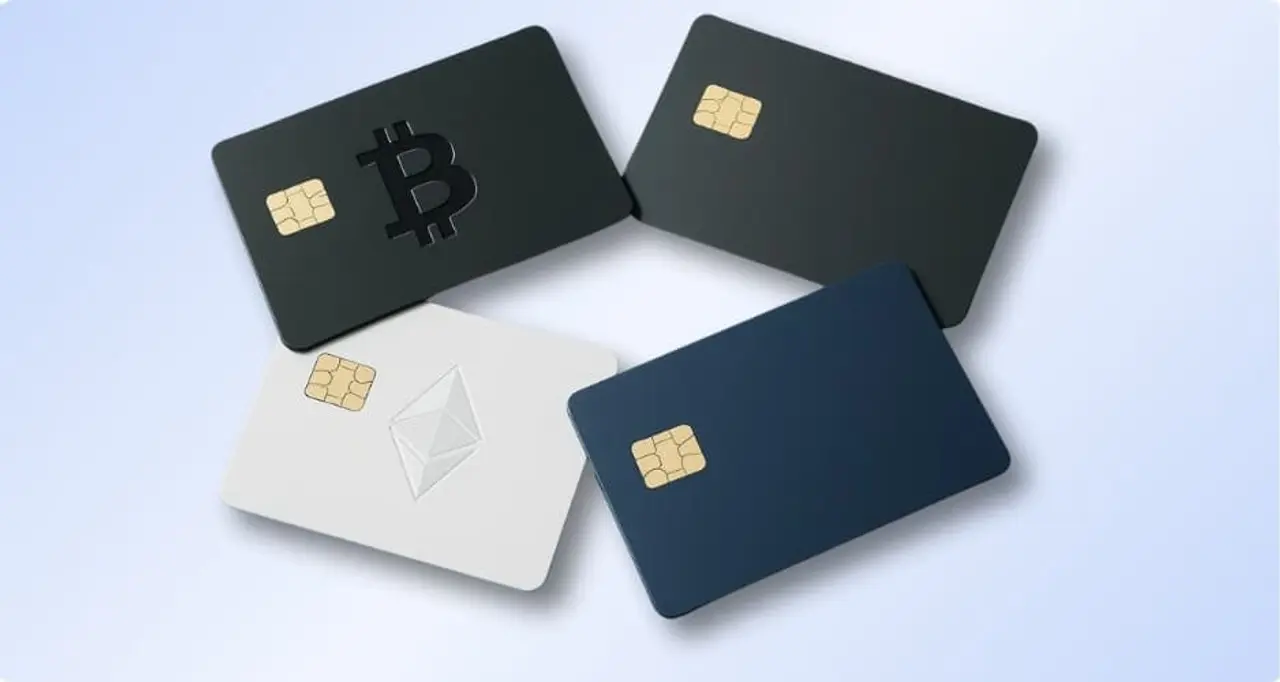
Where People Actually Spend With Crypto Cards: 2026 Data
$607M a month, 6x growth in 18 months, and one card holding three-quarters of the market. We break down the real geography and numbers behind crypto cards, based on Paymentscan and Dune Analytics data.
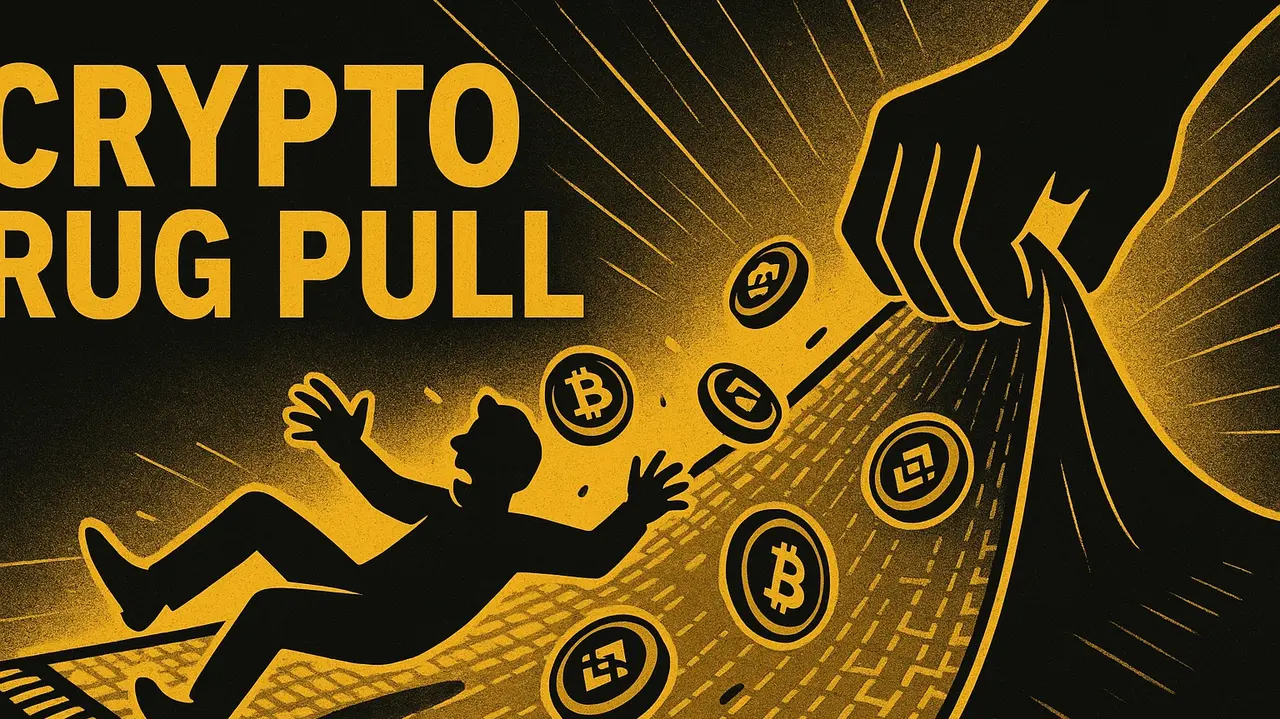
How to Spot a Rug Pull Before You Lose Your Money
Rug pulls drain billions from investors every year, and 92% of them involve anonymous developers. Here are 7 warning signs that can help you spot one before it's too late.