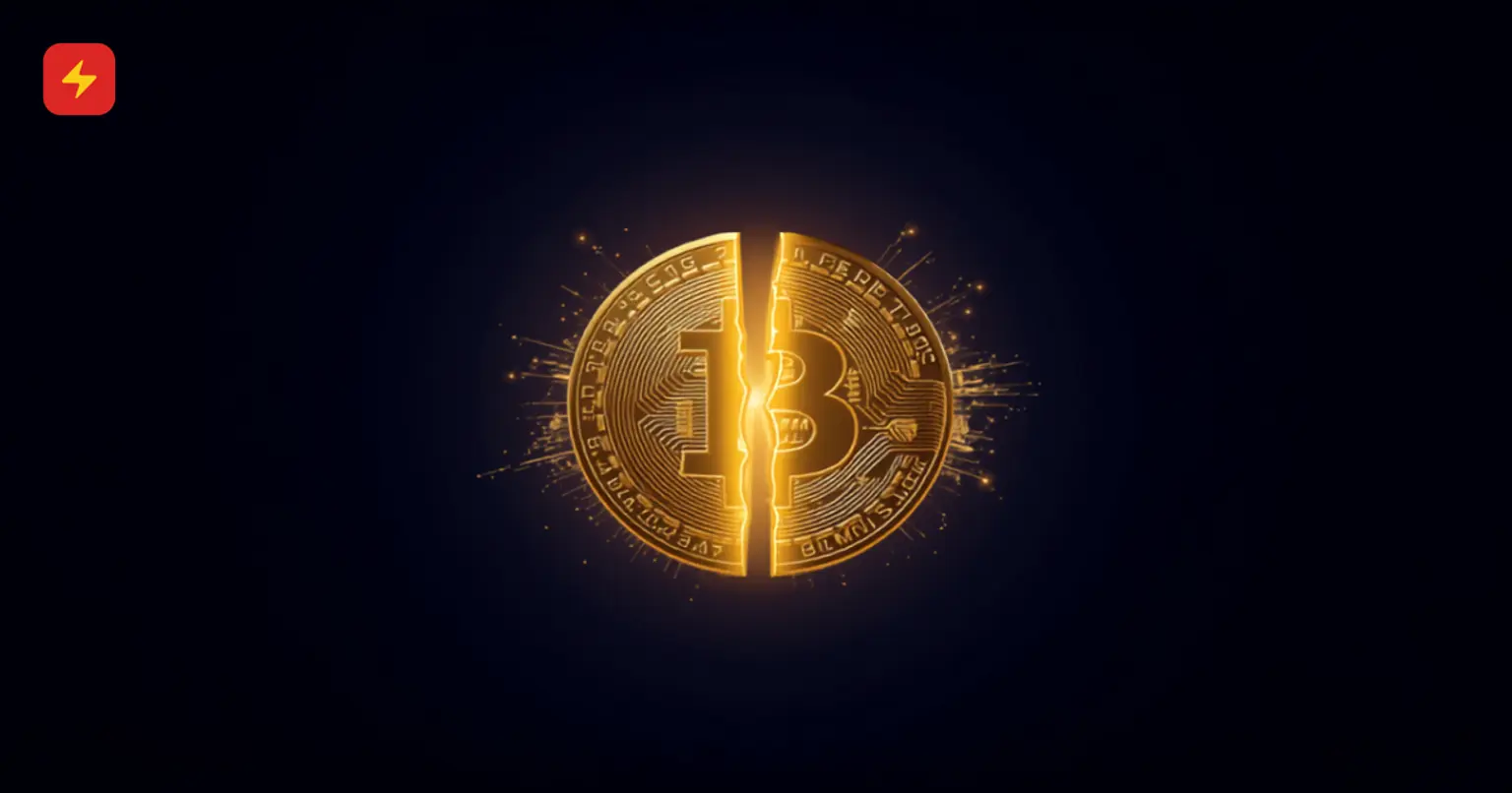
Bitcoin's biggest fork in years lands August 21 — here's what BTC holders need to do
On August 21, 2026, at roughly block 964,000, Bitcoin's network will see the launch of the eCash (ECX) hard fork — according to CoinDesk, one of the most significant Bitcoin forks in recent years. Behind the project is developer Paul Sztorc, who spent more than a decade promoting Bitcoin scaling through sidechains (the Drivechain technology he first proposed in 2015 and later formalized as BIP-300 and BIP-301) — he has now decided to build that idea out as a separate network.
What BTC Holders Need to Know
- Your BTC stays put — the fork doesn't replace it with ECX, it just creates a copy chain under a new ticker
- If your coins sit in a non-custodial wallet, you'll automatically receive the same amount of ECX as the BTC you held at the fork (1:1)
- If your coins are on an exchange, getting ECX depends entirely on whether that exchange supports the fork and credits the new asset to customers
- Spot bitcoin ETFs, including BlackRock's IBIT, have already waived airdrop rights in their documentation — unless a regulator decides otherwise
- A fully tested tool for safely splitting BTC from ECX doesn't exist yet — the team is building one, but full replay protection may not be ready at launch, so moving coins immediately after the fork carries real risk
Why the Fork Is Already Controversial
The main source of disagreement is the fate of roughly 1.1 million BTC sitting in addresses linked to Satoshi Nakamoto. The eCash team plans to reassign about 500,000-600,000 ECX from those addresses to investors, developers, and partners before the network even launches — the original bitcoin on the base chain is untouched; only coins on the new, separate network are being redistributed.
“We do not take any of Satoshi's BTC. We gift Satoshi 600,000 eCash … BTC balances are untouched by eCash.”
— Paul Sztorc, April 2026
Quote source: The Block.
“Taking Satoshi coins is theft and disrespectful.”
— Peter McCormack (bitcoin advocate), April 2026
Quote source: The Block.
Sztorc himself frames the reassignment as a way to avoid the "zombie project" fate — a fork that fails to attract enough developers and partners early on and simply fizzles out. Critics, including Pixelated Ink CTO Josh Ellithorpe, counter that the precedent of claiming coins from long-dormant wallets is itself dangerous: today it's Satoshi, but tomorrow it could be any other inactive wallet.
Why It Matters
Whatever happens with Satoshi's coins, the situation for an ordinary holder is simple: your BTC stays safe either way, and getting ECX depends purely on where you store coins and whether your exchange supports the fork. We covered Bitcoin's first dormant wallet, Satoshi's in the genesis block, separately.
This article is for informational purposes only and does not constitute investment advice.

Comments (0)
No comments yet — be the first!
Related news
Lummis: Trump backed the CLARITY Act ethics deal — veto question is off the table
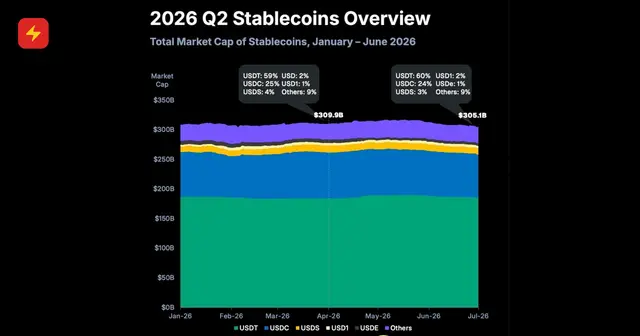
Stablecoin market cap fell for the first time since 2023 — down to $305.1B
More than news: nine of CryptoPulse's own tools you might have missed
Most read
Silicon Valley Workers Are Wearing Noise-Cancelling Masks to Dictate AI Prompts
184 views
Elon Musk Expands Access to X Money, the Payments Service Inside X
152 views
Strategy Didn't Buy Any Bitcoin Last Week — and Now Has a Plan to Sell It
45 views
Layer-2: How Blockchains Get Faster Without Touching the Base Chain
44 views
Crypto Cards That Never Take Your Keys
31 views
Crypto Market Drops 4-5% in a Day: What Volume and Traders Are Saying
31 views
DeepSeek Made Its Founder the World's Richest AI Creator — His Fortune Just Doubled to $36 Billion
29 views