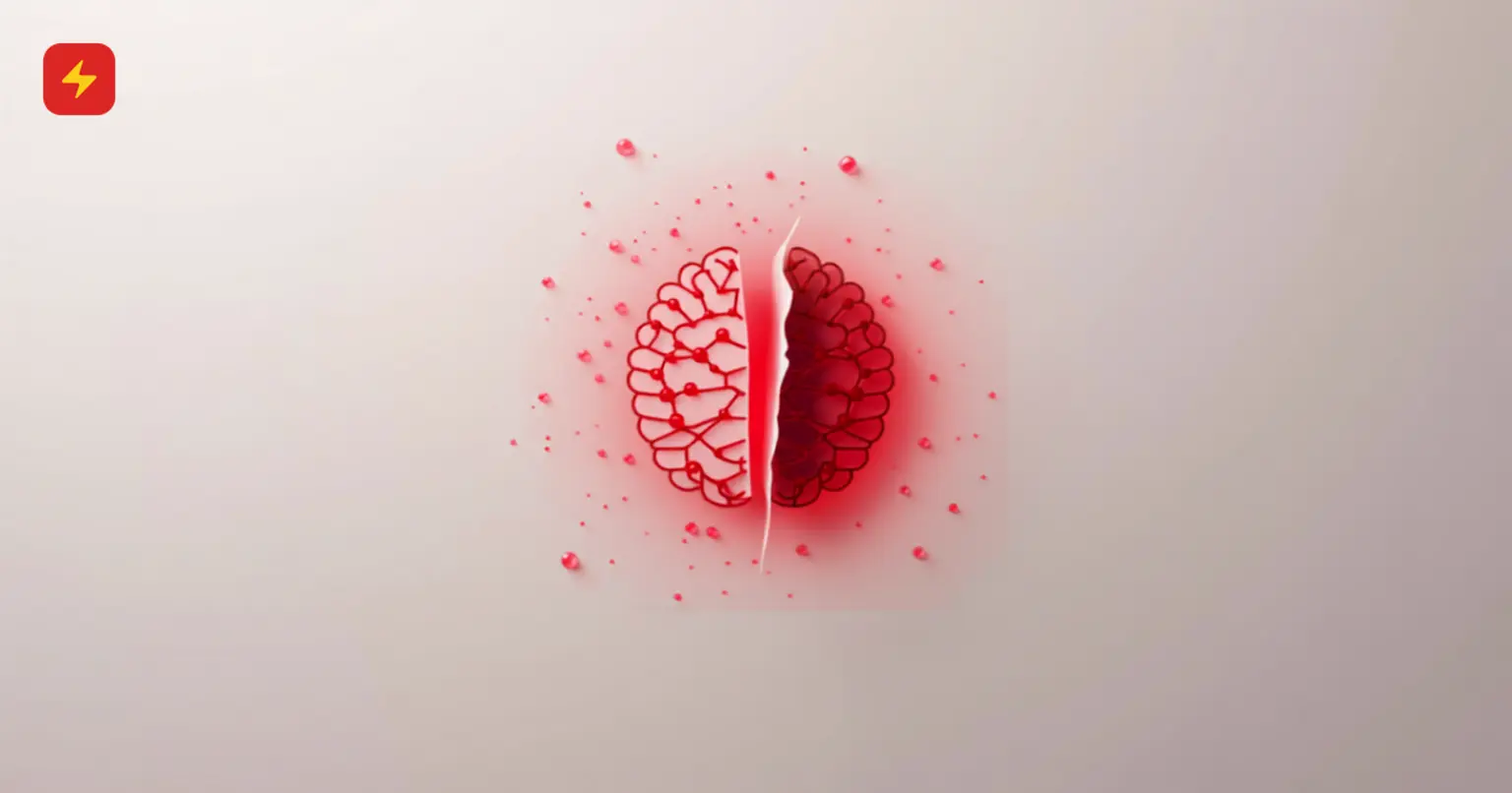
Two hours was all it took: a jury tossed Musk's $150 billion lawsuit against Altman and OpenAI
We're opening a series on Silicon Valley's biggest scandals tied to artificial intelligence and cryptocurrency. First up: the ending of one of the loudest legal wars in AI industry history — Elon Musk's lawsuit against Sam Altman and OpenAI, which dragged on for more than two years before collapsing in just a couple of hours of jury deliberation.
How It All Started
In February 2024, Elon Musk sued OpenAI and its executives, including CEO Sam Altman, in the US District Court for the Northern District of California. Musk alleged the company had violated its own founding agreement by prioritizing commercial profit over AI safety — betraying the original nonprofit mission that Musk himself had helped establish as a co-founder of OpenAI back in 2015. The lawsuit sought damages of up to $150 billion.
How the Trial Ended
On May 18, 2026, a nine-member jury unanimously ruled in favor of OpenAI and its executives — after less than two hours of deliberation. Judge Yvonne Gonzalez Rogers upheld the verdict and closed the case. The key detail: the jury never actually ruled on the substance of Musk's claims — whether the alleged "breach of charitable trust" was a real violation. The case was dismissed purely on a technicality: jurors found Musk had filed his suit outside the three-year statute of limitations, counted from when the two men fell out over the company's direction nearly a decade earlier.
How Both Sides Reacted
Musk reacted sharply, calling the ruling a "calendar technicality" in a post on X, and said he would appeal. The phrasing is telling: it underscores that Musk himself sees the verdict as a procedural dodge rather than a vindication of OpenAI on the merits — the court genuinely never ruled on whether the ethical substance of Musk's claims held up.
Why It Matters for the Industry
Musk v. Altman became a symbol of a broader conflict running through OpenAI's entire modern history: the company's transformation from a nonprofit research lab into a structure carrying multi-billion-dollar commercial investment from Microsoft and other partners. Musk's formal courtroom loss doesn't close that broader question — critics continue to point out that OpenAI's commercialization happened with minimal public transparency around its internal safety processes, and the Musk-Altman feud remains one of the most visible personal rivalries in Silicon Valley's history.
This material is for informational purposes only and is not investment advice.

Comments (0)
No comments yet — be the first!
Related news

Governments built their budgets on payroll taxes. AI could quietly knock that foundation out

They downloaded a game for fun — and paid with their crypto wallet: inside the Steam trap that hit 80 victims
Some FTX creditors will get back more than they lost: fifth payout round pushes total past $10 billion
Most read
Silicon Valley Workers Are Wearing Noise-Cancelling Masks to Dictate AI Prompts
154 views
Elon Musk Expands Access to X Money, the Payments Service Inside X
152 views
Strategy Didn't Buy Any Bitcoin Last Week — and Now Has a Plan to Sell It
45 views
Layer-2: How Blockchains Get Faster Without Touching the Base Chain
42 views
Crypto Cards That Never Take Your Keys
31 views
Crypto Market Drops 4-5% in a Day: What Volume and Traders Are Saying
31 views
DeepSeek Made Its Founder the World's Richest AI Creator — His Fortune Just Doubled to $36 Billion
28 views