OpenAI's first-ever hardware isn't a smart speaker — it's a $230 keyboard for AI agents
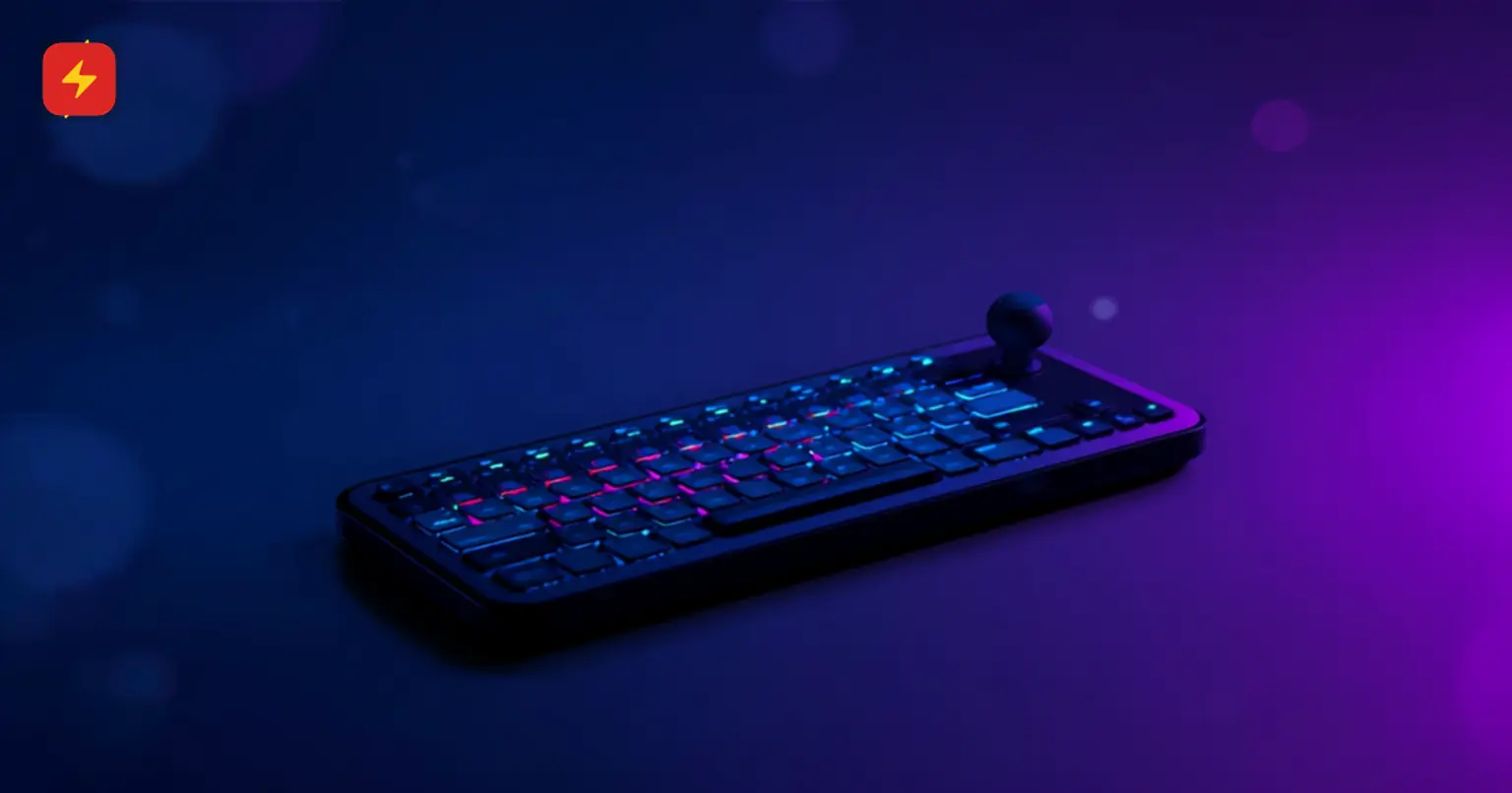
OpenAI has released its first-ever physical hardware product — but it's not a smart speaker or a phone. It's Codex Micro, a $230 compact keyboard built to manage a fleet of autonomous AI agents inside Codex, OpenAI's tool for writing and executing code with minimal human input.
What the Device Does
Codex Micro was built in collaboration with specialty keyboard maker Work Louder and includes:
- light-up "Agent Keys" that show the status of running AI agents
- customizable Command Keys that act as shortcuts for frequent Codex actions
- a joystick for launching common workflows
- a dedicated dial that adjusts an agent's "reasoning" level — how much time and compute it spends on a given task
The device is configured through the ChatGPT desktop app and is positioned as a niche product for power users, not a mass-market gadget — it's a limited run that will only be available until it sells out.
Why the Timing Looks Symbolic
A week before Codex Micro's launch, on July 10, 2026, Apple sued OpenAI, accusing the company of trade secret theft. Apple alleges OpenAI's senior leadership pursued "a deliberate strategy to extract its confidential information" and used it while developing OpenAI's own, still-unreleased hardware device — reportedly designed by former Apple engineers. OpenAI has denied the allegations.
Codex Micro itself has nothing to do with that lawsuit — it's a separate, far more modest product. But the fact that OpenAI shipped it right in the middle of a scandal over its much more ambitious hardware ambitions is telling: the company can still ship a niche device even while its flagship hardware project is tangled up in litigation.
What's Coming Next
Codex Micro isn't the "real" consumer gadget OpenAI has long been rumored to be building. According to Bloomberg, that device will be a smart speaker — something like an Amazon Alexa, Google Home or Apple HomePod, but with ChatGPT built in — expected to be unveiled later this year, with availability in 2027.
What This Means in Practice
Codex Micro's release shows competition among AI labs is gradually spilling over from pure software into physical hardware: where OpenAI and Anthropic used to compete purely on model quality and products like Codex and Claude Code, the fight is now also over exactly how a human physically interacts with a fleet of AI agents — down to dedicated physical controllers built for a specific workflow.
This material is for informational purposes only and is not a recommendation to purchase any specific device.

Comments (0)
No comments yet — be the first!
Related news

London and Washington just agreed on common ground rules for stablecoins

'All hardware wallets are garbage': on-chain sleuth ZachXBT trashes Ledger, proposes an unlikely fix