
5 Trading Movies Worth Watching, Even If You Only Trade Crypto
Crypto often feels like something entirely new, but the psychology it exposes — greed, panic, overconfidence — was being explored on screen long before bitcoin existed. Here are five trading and Wall Street movies, from a 1987 classic to a 2023 film about GameStop, that consistently rank among the genre's best on IMDb. This isn't financial advice — it's a culture pick — but every film carries a lesson that maps cleanly onto crypto.
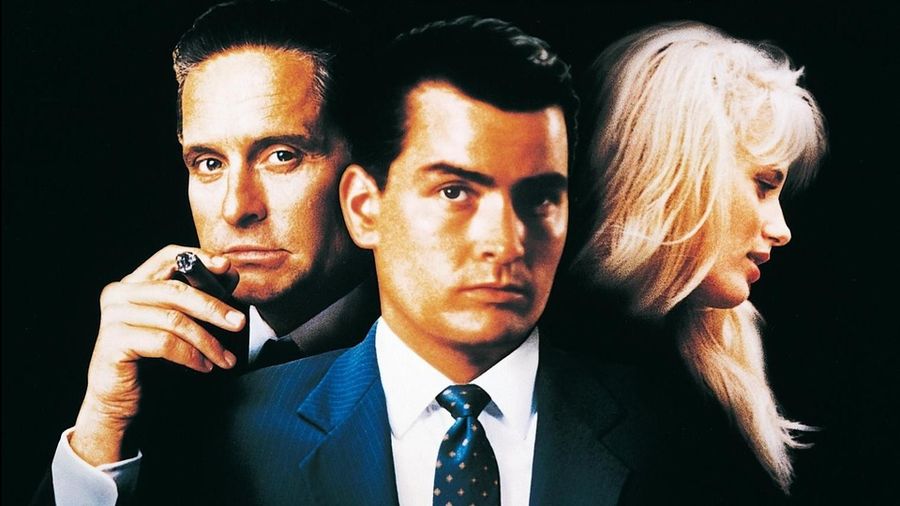
1. Wall Street (1987)
Directed by Oliver Stone, starring Michael Douglas as Gordon Gekko, an investor who recognizes no rules. The film is older than most of this site's readers, but it set the template for the "Wall Street wolf" archetype for the next 35 years and won Douglas the Academy Award for Best Actor.
"Greed, for lack of a better word, is good" — arguably the most quoted line in the history of trading films.
Lesson for traders: the film doesn't romanticize Gekko — it shows exactly where a career built on inside information and zero principles ends up. Just as relevant to crypto's own insider-trading scandals around listings and announcements.
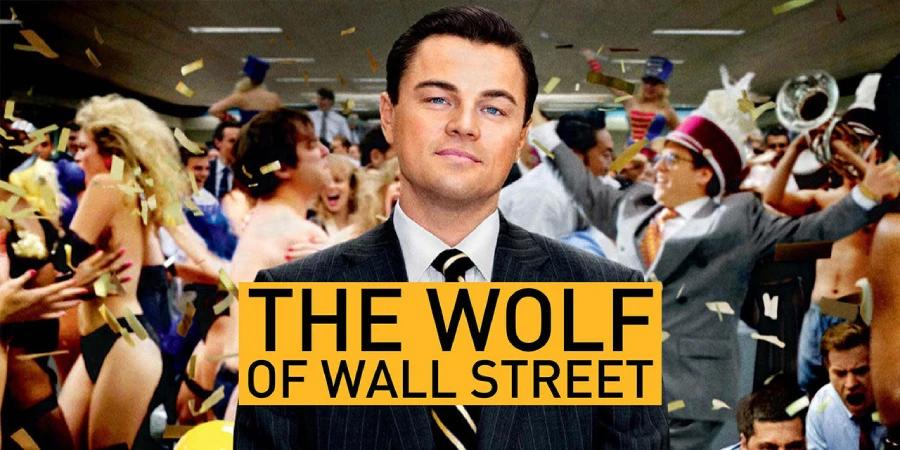
2. The Wolf of Wall Street (2013)
Martin Scorsese adapted the real broker Jordan Belfort's memoir, with Leonardo DiCaprio in the lead. The film, about a 1990s penny-stock fraud, captures the mechanics of hype with surprising precision: selling people not an asset, but a dream of getting rich fast.
"Sell me this pen" — the scene marketing and sales courses dissect more than any other in the movie.
Lesson for traders: Belfort's scheme is a pure buy-low-pump-dump play, just run on stocks instead of tokens. Recognizing the mechanics makes the film a useful inoculation against the urge to buy something "because everyone else is."
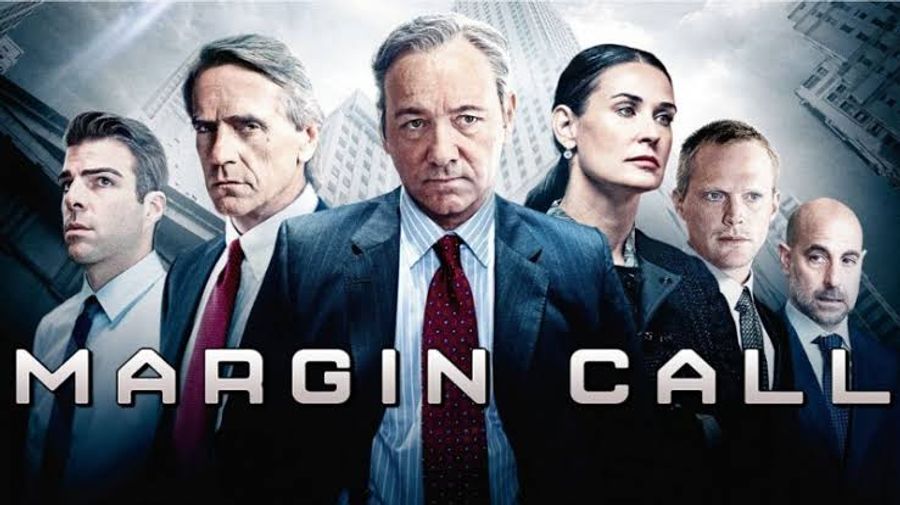
3. Margin Call (2011)
Directed by J.C. Chandor, with an ensemble cast including Kevin Spacey, Jeremy Irons and Zachary Quinto. The plot fits inside 24 hours at an investment bank on the first night of the 2008 financial crisis, as leadership realizes a portfolio of toxic assets has to be dumped before the rest of the market catches on.
"There are three ways to make a living in this business: be first, be smarter, or cheat," says bank chief John Tuld, played by Jeremy Irons.
Lesson for traders: this is a rare finance film with no chases or parties — just the cold calculation of people who realized an asset was mispriced first, and are exiting while they still can. A solid reminder of why risk management matters,
as Wharton's own analysts have noted in calling it one of the most realistic portraits of corporate panic on film.
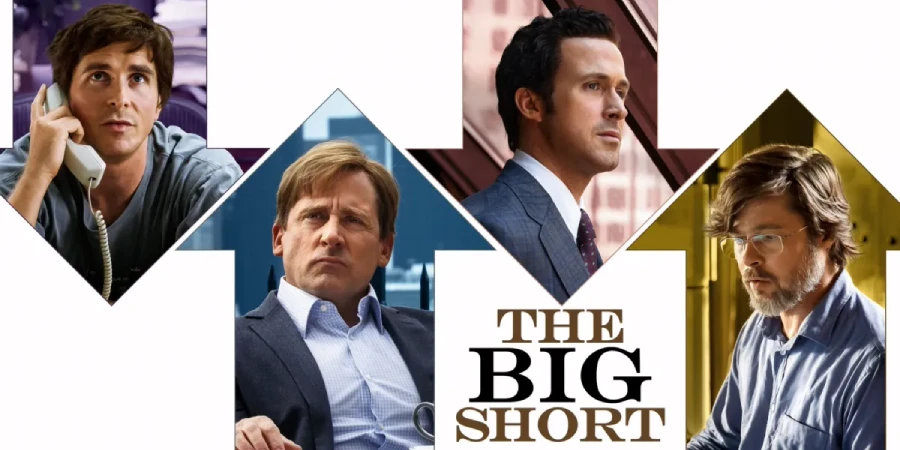
4. The Big Short (2015)
Director Adam McKay adapted Michael Lewis's book about a handful of money managers who spotted the mortgage-bond bubble as early as 2005–2007 and bet against it — starring Christian Bale, Steve Carell, Ryan Gosling and Brad Pitt.
The film opens with a line about truth being something "most people fucking hate, like poetry," misattributed onscreen to Mark Twain — and admits a moment later that the quote is made up, a sly bit of self-irony about how easily finance mistakes a good line for a fact.
Lesson for traders: The Big Short is the clearest example of how complex financial instruments — mortgage derivatives in the film, anything from perpetual futures to structured yield products in crypto — turn into risk exactly when even the people selling them stop understanding them.
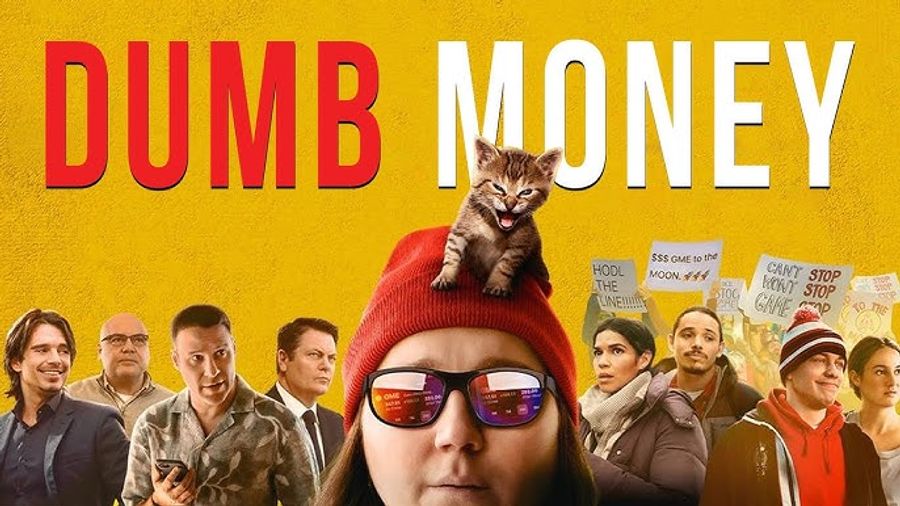
5. Dumb Money (2023)
Directed by Craig Gillespie, starring Paul Dano as Keith Gill, also known on Reddit as DeepFuckingValue. Based on Ben Mezrich's book "The Antisocial Network," the film reconstructs the GameStop short squeeze of January 2021 — the moment retail traders first hit institutional hedge funds at scale and in coordination,
Lesson for traders: this is the closest film on the list to crypto culture itself — memes, Discord chats, and collective retail enthusiasm as an actual market force,
as Deadline's review noted after the film's Toronto festival premiere. The same mechanism of collective enthusiasm drives altcoins and meme coins today — with the same risks for whoever shows up last.
All five films, in the end, are saying the same thing: markets work the way they did 35 years ago — only the instruments changed, from paper stock certificates in 1987 to tokens on a phone in 2026. Greed, panic and herd behavior never went anywhere.
This article is for informational purposes only and is not investment advice. It's a culture roundup, not a financial recommendation — these film plots shouldn't be read as instructions.
Comments (0)
No comments yet — be the first!
Related articles
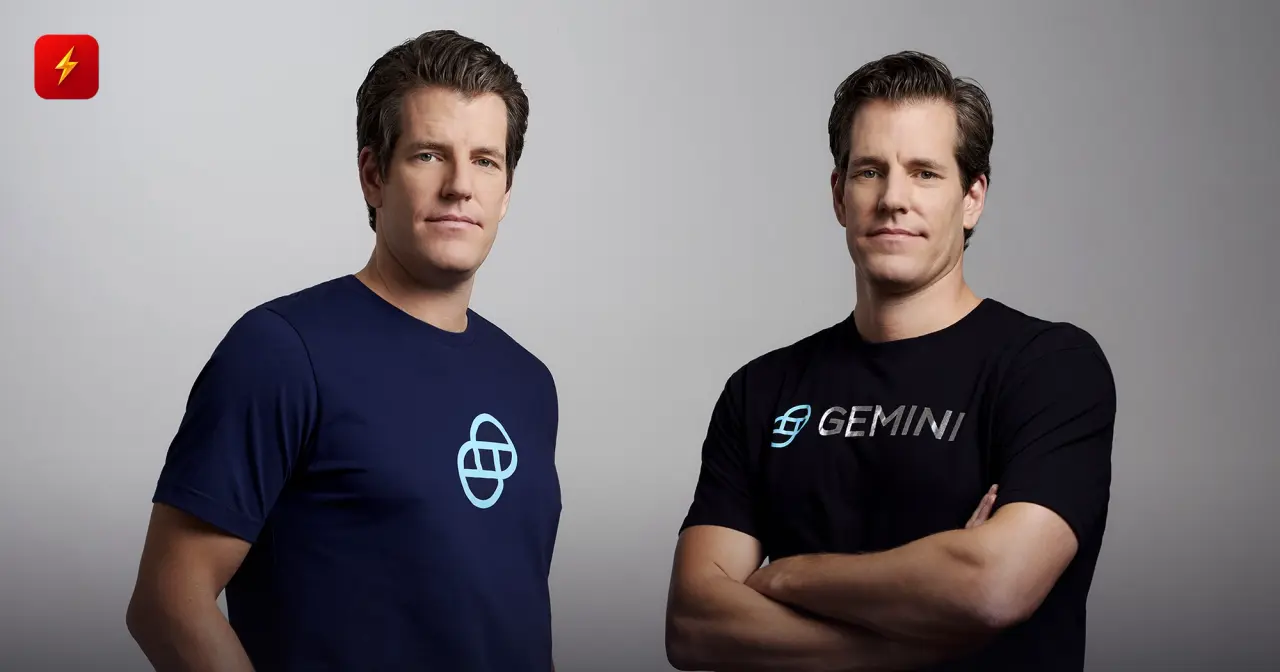
The Winklevoss Twins: Rowers, Zuckerberg's Rivals, Bitcoin Billionaires
Cameron and Tyler Winklevoss ended up at the center of two of the last twenty years' biggest tech stories — the birth of Facebook and the birth of the bitcoin industry. We trace their path from suing Mark Zuckerberg to taking their own exchange, Gemini, public on Nasdaq.
Why 11 Crypto Card issuers vanished and the math that decides who's next
At least 11 crypto card issuers have effectively exited the market over the past year. Generis research maps three systemic failure modes — and explains why a card-only model doesn't add up without a wider ecosystem around it.
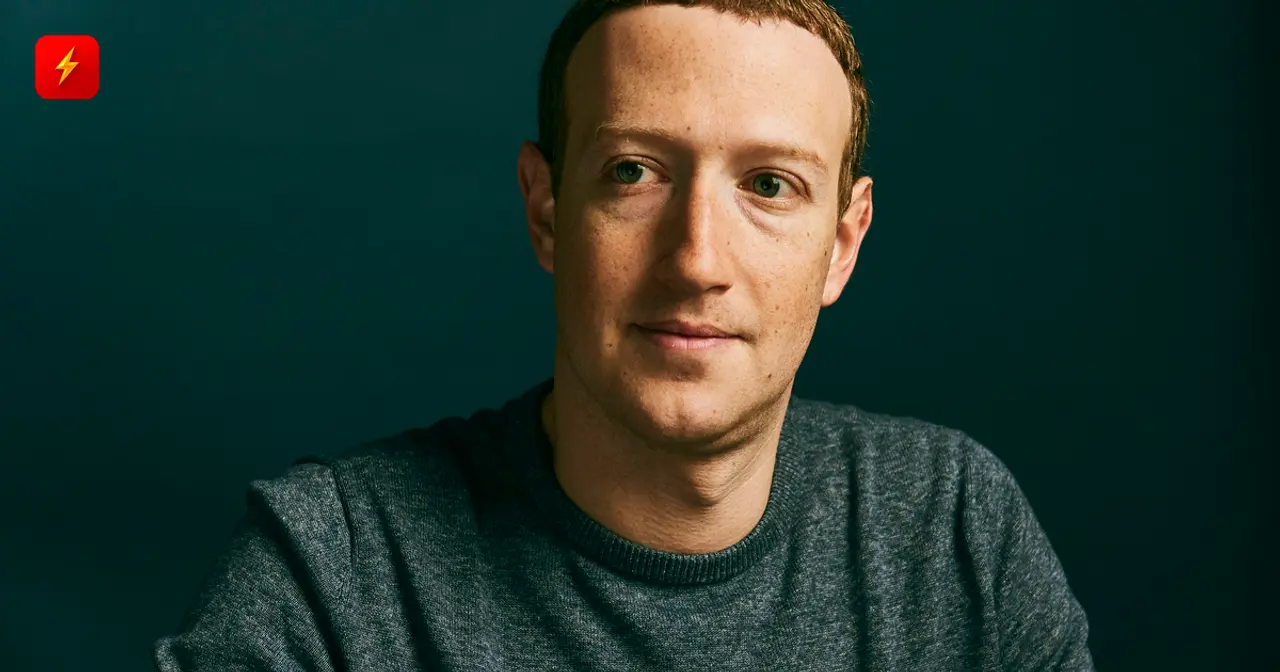
Mark Zuckerberg: the Harvard student who now spends $140 billion a year on AI
How a Harvard student built the largest social network in history, survived the Winklevoss lawsuit and a failed crypto project called Libra, and turned Meta into one of Silicon Valley's biggest AI bets — with a $140 billion-a-year AI budget.
Most readTop 7

Silicon Valley Workers Are Wearing Noise-Cancelling Masks to Dictate AI Prompts
234AI

