

SpaceX's $75B IPO Exposed the Biggest Problem in Tokenized Stocks
SpaceX listed on Nasdaq under the ticker SPCX on June 12 at $135 a share, raising roughly $75 billion at a valuation near $1.8 trillion — the largest IPO in the history of global markets, more than double the previous record set by Saudi Aramco in 2019 ($25.6 billion). But for crypto, the real story of this listing wasn't the rocket — it was how major exchanges promised retail clients tokenized access to the shares, and then couldn't deliver.
The biggest IPO in history
The listing followed SpaceX's $1.25 trillion acquisition of Elon Musk's xAI, completed in February 2026, which turned artificial intelligence into a third major business line alongside launches and Starlink. Starlink itself cleared $10 billion in 2025 revenue, up 60% year over year, effectively subsidizing xAI's capital-heavy buildout. SPCX shares spiked to an intraday peak of $225.64 on June 16 before falling for three straight sessions; by June 22 the stock was trading near $165 — down 27% from the peak, but still up 22% from the IPO price.
Crypto promised IPO access — and couldn't deliver
Binance Wallet, Bybit, Bitget Wallet and MEXC had marketed "early access" to SpaceX shares through tokenized instruments, collectively gathering more than $1 billion in customer orders. Binance's campaign alone (SPCXx) pulled in $557 million from nearly 27,700 addresses. All four platforms routed their campaigns through xStocks, a tokenized-equity provider owned by Kraken since its 2025 acquisition of Backed Finance, which was supposed to secure real SpaceX shares from underwriters and wrap them into on-chain tracker certificates. When the offering turned out to be massively oversubscribed, xStocks simply couldn't secure enough shares — Binance, Bybit and Bitget received zero allocation and refunded everything. Kraken's and xStocks' own direct customers fared only slightly better, receiving a fraction of what they'd requested — on average about 4.28 SPCXx, roughly $600 worth.
Bybit told users bluntly: "Due to xStocks' inability to deliver the underlying assets, no SpaceX allocations were received." An xStocks spokesperson framed it differently: "Due to overwhelming demand, requests to buy IPO access to SpaceX were not able to be fully fulfilled," adding that funds tied to unfilled orders had been returned and that the SPCXx token remained tradable on the platform.
Trading didn't stop, though
Despite the failed allocation drive, demand for tokenized SpaceX exposure didn't fade: once SPCX started trading on Nasdaq, 24-hour spot volume for tokenized SpaceX shares topped $100 million for the first time, with Solana capturing as much as 99% of all cross-chain volume in those tokens at its peak. One key distinction: SPCXx is a tracker certificate that offers price exposure only — no voting rights, no shareholder status. Traditional brokers like Fidelity and SoFi, meanwhile, delivered at least partial real-share allocations to eligible clients — meaning conventional investors got something, while crypto's biggest exchanges handed their users an apology and a refund.
Takeaway
The SpaceX episode isn't a failure of stock tokenization as a concept — it's a failure of its current plumbing. Crypto exchanges don't have direct relationships with IPO underwriters, so they depend entirely on a middleman, and that middleman became the bottleneck the moment demand spiked. The technology itself worked fine: SPCXx traded actively and in size the moment the underlying stock went live. The marketing of "guaranteed early access," however, ran well ahead of what the supply chain could actually deliver. The lesson for the industry is straightforward — demand for tokenized exposure to marquee IPOs is real and growing, but it needs actual arrangements with issuers and underwriters, not just a slick on-chain wrapper.
This article is for informational purposes only and is not investment advice. Stock and token prices move quickly — verify current data before making any financial decisions.
Comments (0)
No comments yet — be the first!
Related articles
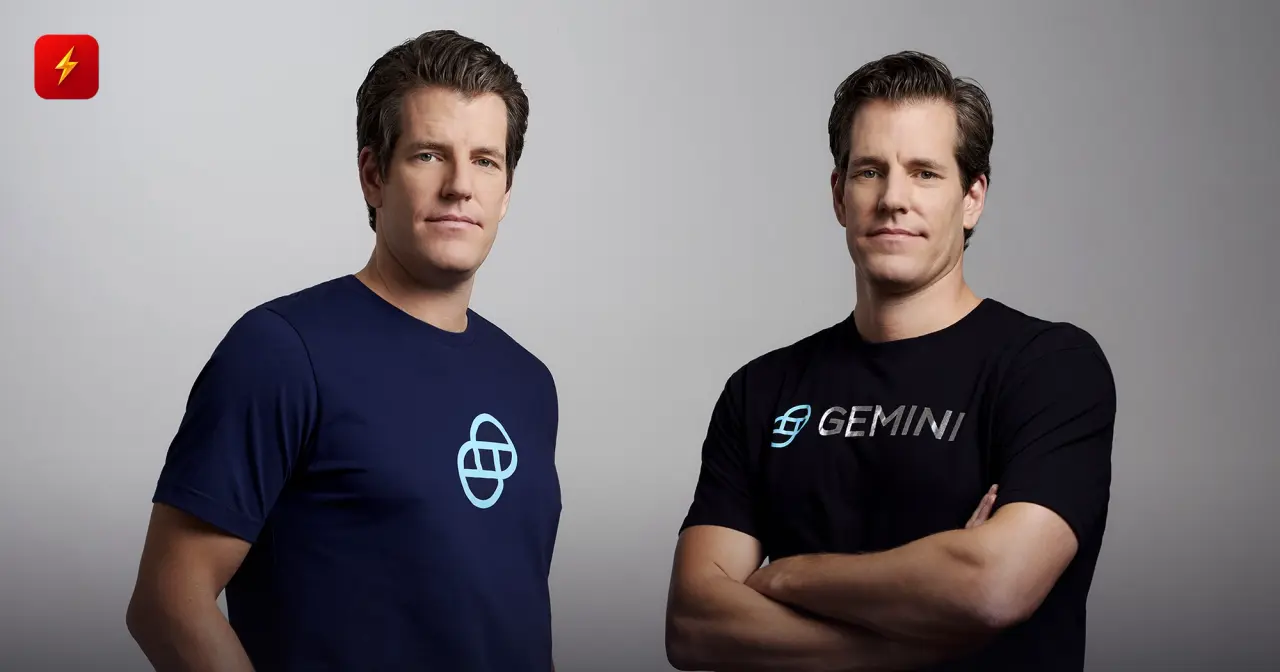
The Winklevoss Twins: Rowers, Zuckerberg's Rivals, Bitcoin Billionaires
Cameron and Tyler Winklevoss ended up at the center of two of the last twenty years' biggest tech stories — the birth of Facebook and the birth of the bitcoin industry. We trace their path from suing Mark Zuckerberg to taking their own exchange, Gemini, public on Nasdaq.
Why 11 Crypto Card issuers vanished and the math that decides who's next
At least 11 crypto card issuers have effectively exited the market over the past year. Generis research maps three systemic failure modes — and explains why a card-only model doesn't add up without a wider ecosystem around it.

Mark Zuckerberg: the Harvard student who now spends $140 billion a year on AI
How a Harvard student built the largest social network in history, survived the Winklevoss lawsuit and a failed crypto project called Libra, and turned Meta into one of Silicon Valley's biggest AI bets — with a $140 billion-a-year AI budget.
Most readTop 7

Silicon Valley Workers Are Wearing Noise-Cancelling Masks to Dictate AI Prompts
227AI

